Kaj se je zgodilo
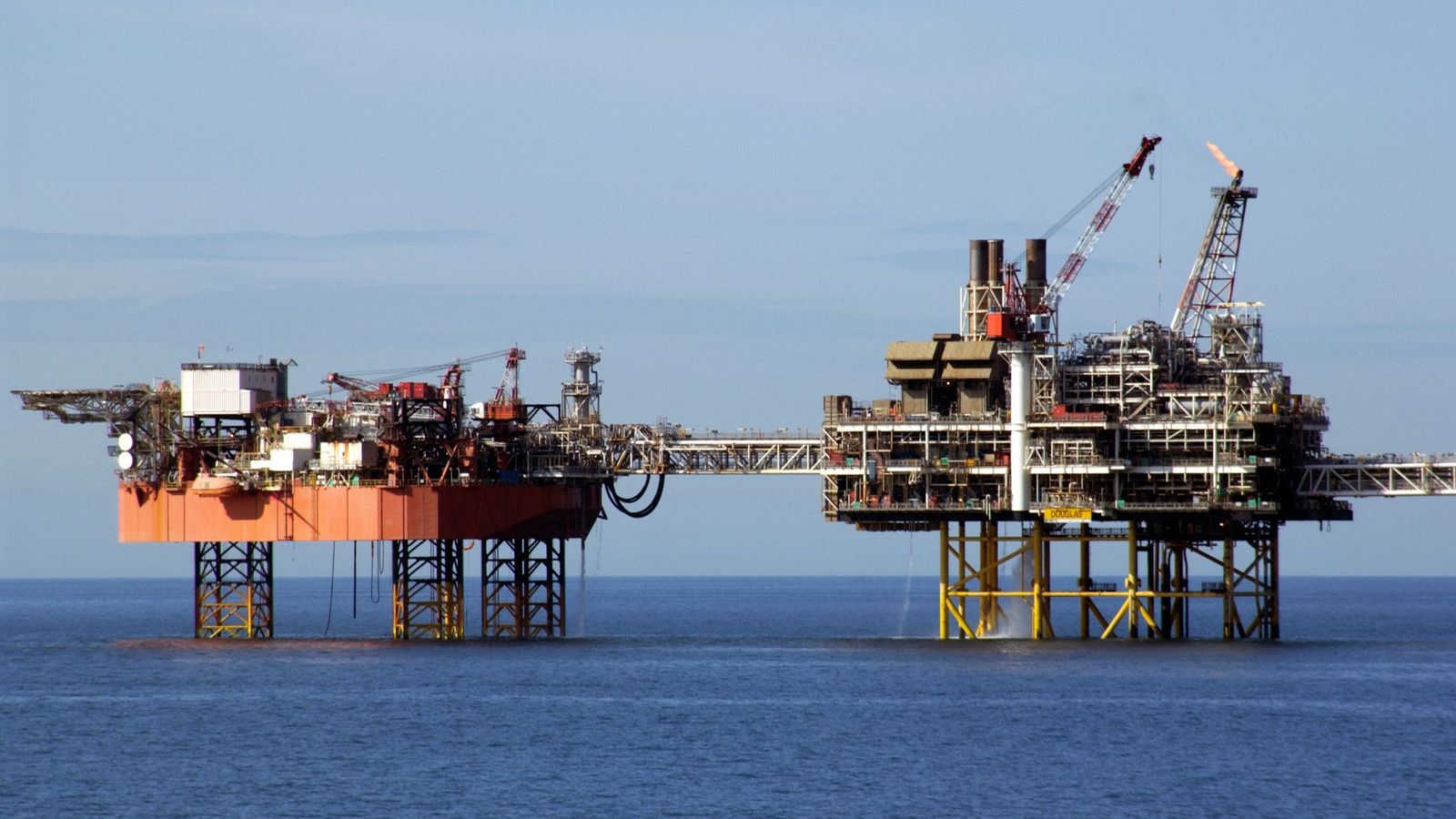
In the US, President Trump told a rally in Lubbock, Texas, on 27 October 2026 that he was "officially terminating" the methane rules for oil and gas brought in under President Biden, as Sara Sneath reported for the Guardian. EPA's own documents describe the same day's action as a proposal: the second part of its reconsideration of the 2024 Clean Air Act standards known as OOOOb and OOOOc. EPA proposes to scrap the Super Emitter Program, under which certified third parties could flag large leaks for operators to investigate, to set separate standards for low-producing "marginal" wells, and to accept 95% efficient flaring of gas from oil wells instead of requiring it to be piped to a sales line. It says the changes would save $45 billion and add about 210 million barrels of oil. Its own regulatory impact analysis estimates 60 million short tons more methane from 2027 to 2050, while saying it has "serious doubts" the 2024 rule would have cut as much as estimated.
In the EU, MEPs voted 341 to 225 on 22 October 2026 for a three-year delay to parts of the 2024 Methane Regulation, as Mark Segal reported for ESG Today and Sidhi Mittal reported for edie. The European Commission had proposed one year. Under Parliament's text, importers of oil, gas and coal would have until 31 May 2031 to show their supplies meet monitoring, reporting and verification standards equivalent to the EU's, and until 5 August 2031 to report the methane intensity of what they sell. The extra time would not apply to fuel from countries under EU sanctions.
Both sides have spoken. IOGP Europe, which represents oil and gas producers, said Parliament had set "a more realistic timeframe" because verifiers and certification schemes are not ready. Clean Air Task Force said "there is no justification for a three-year delay". In the US, EPA says the 2024 rule was unworkable for small operators, while the Environmental Defense Fund told the Guardian the change lets the worst polluters keep wasting gas at consumers' expense.
What still has to happen
- US: the proposal has to be published in the Federal Register (it had not been by 28 October). EPA will then hold a virtual public hearing and take comments for at least 45 days before it can issue a final rule, which could then be challenged in court.
- EU: Parliament's vote is its negotiating position. It must now agree a final text with the Council, where member states have yet to settle their own position, before the change is published in the Official Journal.
Kaj to pomeni za vaše podjetje
Why methane matters. Methane is the second biggest cause of warming after carbon dioxide. On the AR5 values the UK government factors use, a kilogram of methane counts as 28 kg CO2e over 100 years, and far more over 20 years. Our guide to AR5 and AR6 global warming potentials explains the numbers. Oil and gas operations are among the largest industrial sources of methane, through leaks, venting and incomplete flaring, which is why both sets of rules target them.
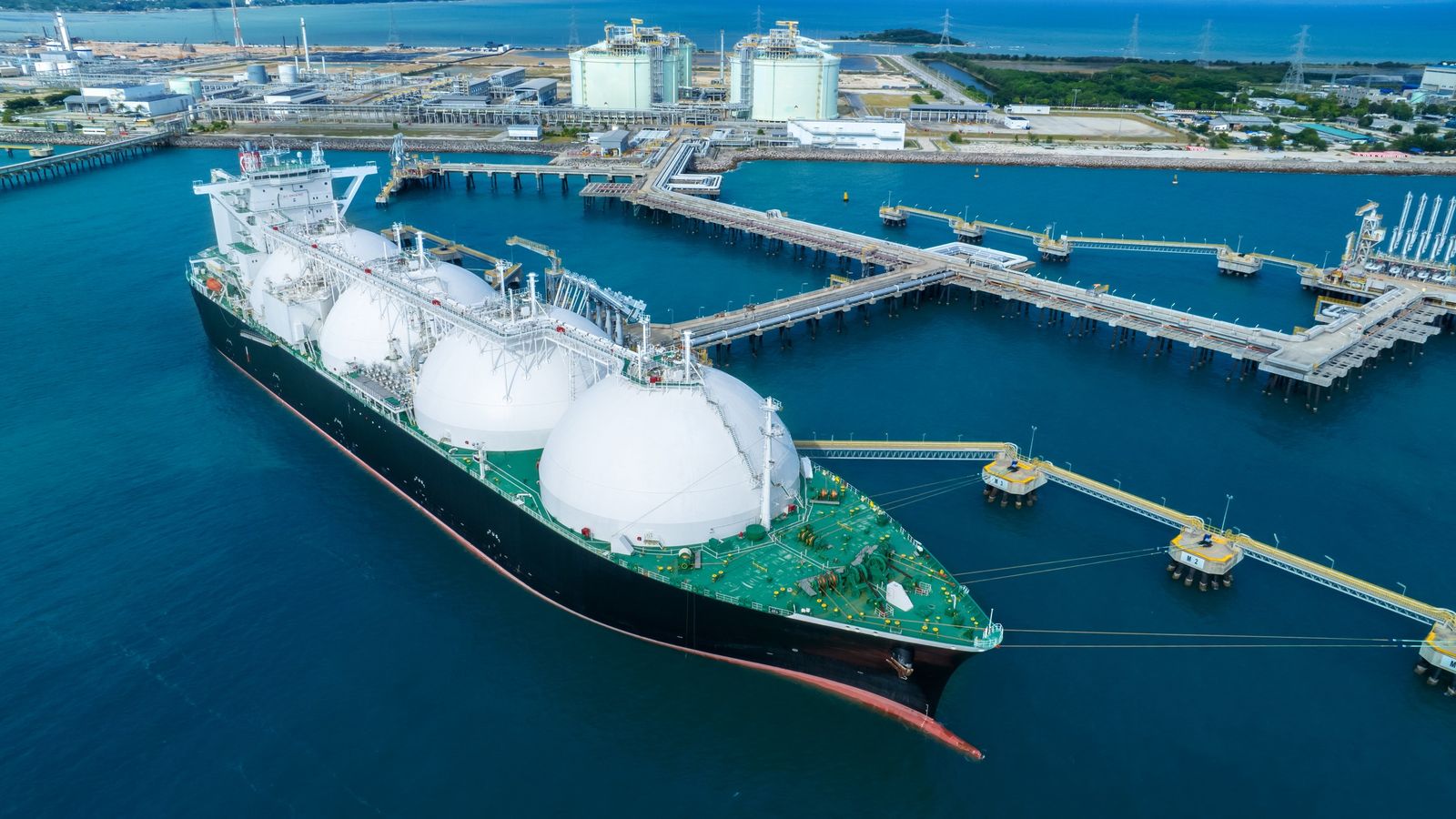
The UK buys American gas. DESNZ's gas security assessment says US liquefied natural gas made up about 13% of UK gas supply in 2025, behind UK production (42%) and Norwegian pipeline gas (40%), and most of the 17% that arrived as LNG. So how much methane escapes in US gas fields is part of the real-world footprint of gas burned in Britain.
Your reported figures do not change this year. Gas burned in your boiler is Scope 1 at 0.18231 kg CO2e per kWh on the 2026 government factors, set for the whole year. Upstream methane belongs in well-to-tank emissions, at 0.03021 kg CO2e per kWh. An illustrative firm using 40,000 kWh of gas a year reports 7.29 tonnes in Scope 1 and another 1.21 tonnes well-to-tank, about 17% on top. Whether future UK well-to-tank factors move depends on DESNZ's data and method, so don't assume they will.
Methane is not only an energy story. Our earlier post on retailers and livestock methane covers what food suppliers can expect.
Kaj storiti zdaj
- Keep reporting as you are. Use the 2026 factors; nothing in either decision changes them this year.
- Add well-to-tank if you report Scope 3. It is where gas supply chain methane shows up, and customers asking for fuller Scope 3 figures will expect it.
- Cut the gas you use. Every kWh you don't burn avoids both the boiler emissions and the upstream methane behind it.
- Watch the final rules. If you buy gas under a contract that names its source, or sell into the EU, the final EU text sets what importers must prove.