Most of the time spent on a carbon footprint goes on typing figures in from bills and statements. Four changes in the app, live since 23 October 2026, cut that down and help you meet the PPN 006 rule on publishing your plan.
Read a bill from a PDF or photo
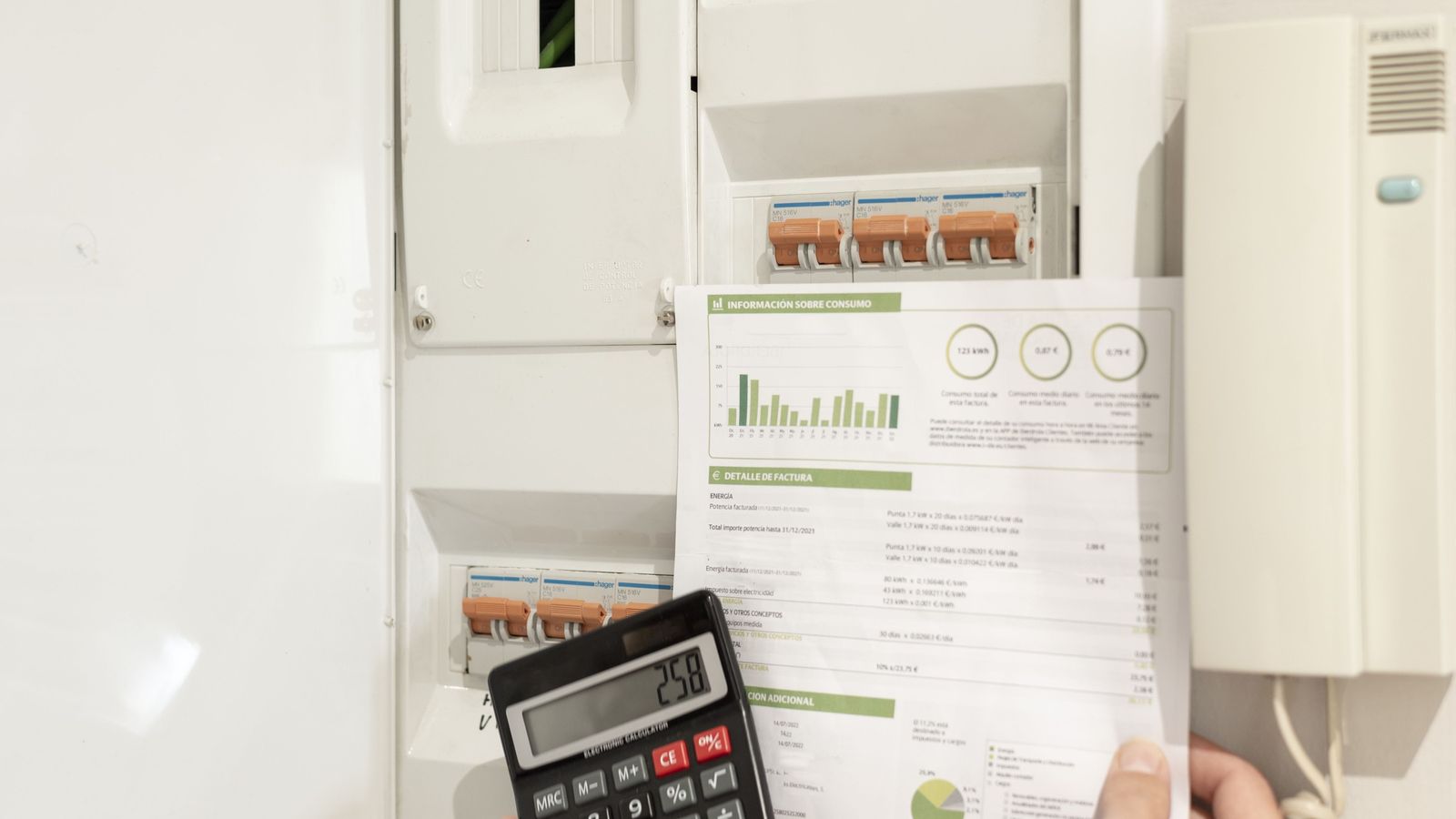
On the electricity or gas form, press Read a bill and choose a PDF or a photo taken on your phone. The kWh used, the billing dates and the supplier's name fill in the form. Nothing is saved until you have checked each figure against the bill and pressed save, because automatic reading can make mistakes. If something isn't clear, the form tells you what to check. The file is read once and not kept. Files can be up to 5 MB, and each organisation can read up to 20 bills a day. There is also a daily limit for the whole site; if it is reached, you type the figures in as before.
Import supplier exports and fuel card statements
The import page now takes a CSV from your electricity or gas supplier's online account, or a fuel card statement, without reformatting it into our template. The columns are found from their headings. Day and night kWh are added together, and money, rates and meter readings are never read as consumption. On fuel cards, diesel, petrol and LPG are counted, while AdBlue, car washes, shop items and charging are left out and listed so you can see why. Every row then goes through the same preview as any other import before anything is saved.
Publish your Carbon Reduction Plan
PPN 006 says the plan should be updated at least once a year and "published and clearly signposted on the supplier's UK website". From the Carbon Reduction Plan report, an admin can now publish it at a public link and copy embed code for a page on your own site, such as /carbon-reduction-plan. The page only shows while your paid plan covers the year, there are emissions figures for it, and the plan has board approval, a director's name and an approval date. Our PPN 006 guide covers what the plan must contain, and the free Carbon Reduction Plan template shows the layout.
Upraviť výdavky o infláciu
Defra's spend-based multipliers run to 2023 and are per pound spent in that year, so later spending overstates emissions as prices rise. A new setting, off by default, brings later spend back to 2023 prices with the ONS consumer prices index. With it on, £1,000 spent in 2025counts as £943 at 2023 prices. It is approximate, because Defra doesn't set an index. Our post on spend-based Scope 3 multipliers explains the method.