Čo sa stalo
The Budget, published by HM Treasury on 28 October 2026, has a section on "bringing down energy costs for business". The measures that reach business energy bills, checked against the Budget document and HMRC's overview of tax legislation and rates:
- British Industrial Competitiveness Scheme (BICS): funding confirmed. The Treasury says over 10,000 energy-intensive manufacturers in Great Britain will get a 20 to 25% electricity discount from April 2027, plus a back payment for 2026-27. The scheme exempts eligible sites from the indirect costs of the Renewables Obligation and Feed-in Tariffs from April 2027, and, according to the scheme guidance, the Capacity Market from October 2027. The Budget costs it at £1,235 million in 2027-28. Northern Ireland's Executive is being funded for a comparable scheme.
- Climate Change Levy (CCL) rates for 2028-29. The main rates on electricity and LPG are frozen from 1 April 2028 at 2027-28 levels, so electricity stays at 0.827p per kWh. Gas rises with RPI from 0.827p to 0.853p per kWh. Climate Change Agreement holders keep paying 8% of the electricity rate and 11% of the gas rate. HMRC says it will legislate in Finance Bill 2026-27.
- Carbon Price Support (CPS) ends from April 2028. This was announced earlier in the year and confirmed today. The Budget says it removes £18 per tonne CO2e from fossil-fuelled power generation and is worth £235 million over five years.
- Gas Shipper Obligation scrapped. The planned levy on gas bills to fund hydrogen will not be introduced. The government will fund the first hydrogen allocation round contracts itself.
- Cost Control Framework. Until it is in place at the 2027 spending review, no new policy costs go on bills unless they bring bills down or are essential for security of supply.
- Electricity Generator Levy. The rate rises from 45% to 55% until 31 March 2028, as previously announced, and the levy continues beyond 2028. A consultation on its design follows next year.
- Wholesale Contracts for Difference. DESNZ opened a consultation, closing on 9 December 2026, on fixed-price contracts for existing low-carbon generators, which the Treasury says will help delink electricity prices from gas.
- DESNZ budget cuts. £200 million of CCUS capital grant, £500 million from hydrogen and £1 billion from the Warm Homes Plan. Projects at Teesside, Merseyside and North Wales are prioritised, Viking keeps its grant, and the Boiler Upgrade Scheme stays at £400 million in 2027-28.
HMRC also says that from 1 November 2026 electricity through publicly accessible EV charge points is not domestic use for CCL. The Budget document mentions workplace charge points too; HMRC's legislation will settle which are covered.
Čo to znamená pre vašu firmu
Most businesses keep paying the levy. The freeze stops the electricity rate rising with inflation in 2028-29; it does not remove the levy. Take an illustrative business using 50,000 kWh of electricity and 50,000 kWh of gas a year at the full rate. Its electricity levy is £413.50 in 2027-28 and £413.50 in 2028-29. Its gas levy goes from £413.50 to £426.50.
The carbon is the same in both years. That business emits 6.55 tonnes CO2e from electricity (Scope 2, 0.13096 kg per kWh) and 9.12 tonnes from gas (Scope 1, 0.18231 kg per kWh) on the 2026 government factors, 15.66 tonnes in all. CCL is a tax line on the bill, not an emission, so leave it out of your footprint. Removing CPS may lower wholesale power prices, but it does not change the grid factor you report with.
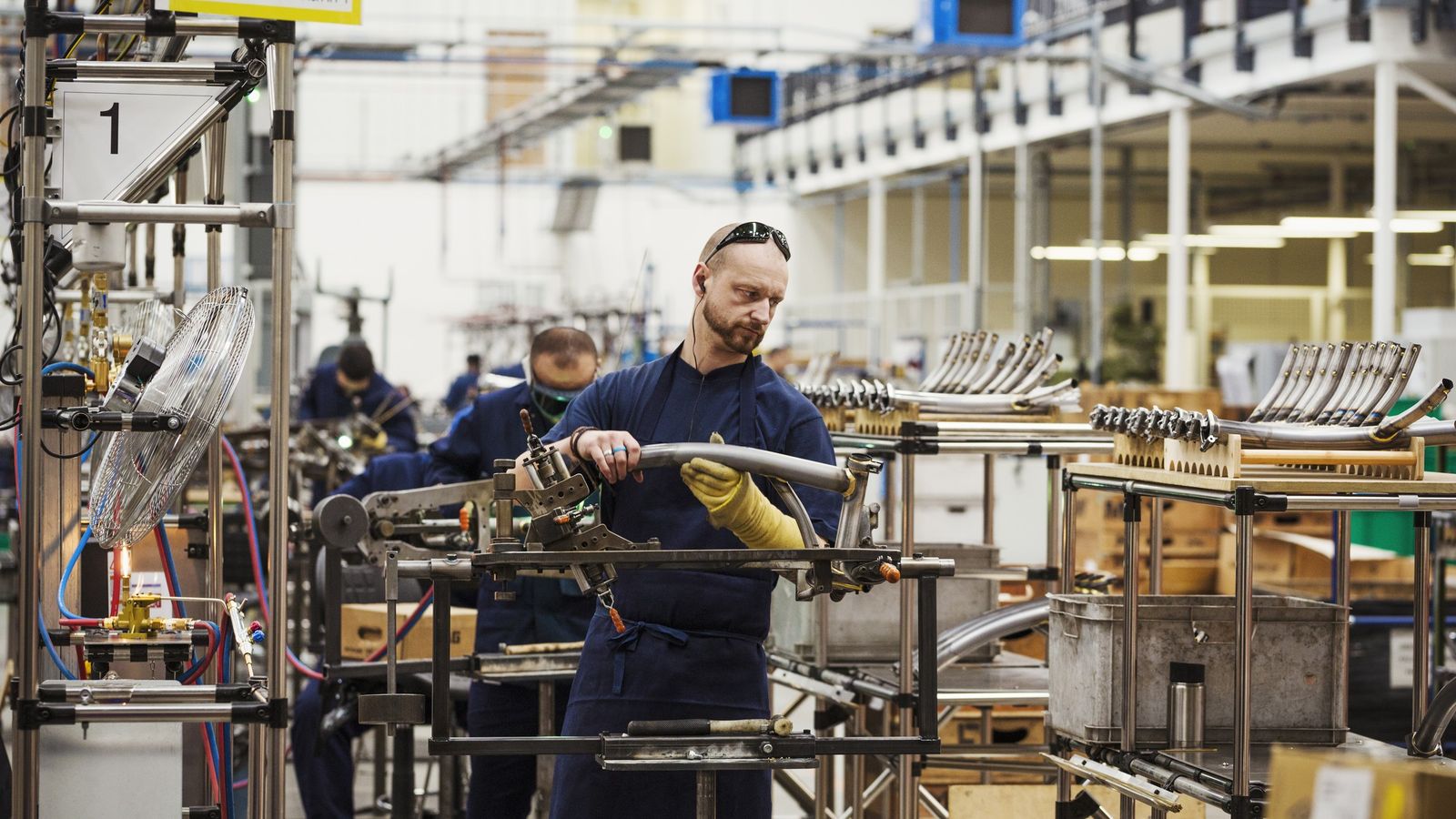
Manufacturers may qualify for BICS. If you make products in Great Britain, check the BICS check and then the government's own eligibility checker. The scheme decides eligibility from your application, not the Budget.
Čo robiť teraz
- Manufacturers: apply before 30 November 2026. The window closes at 11:59pm, and applications can't be changed once submitted. See the guidance for applicants.
- Check your levy. Find the CCL line on each bill. The free Climate Change Levy check shows whether a relief may apply, and our guide to claiming back Climate Change Levy explains how.
- Keep kWh and cost apart. Record kWh for your carbon figures and pounds, including the levy, for your budget.