Co se stalo
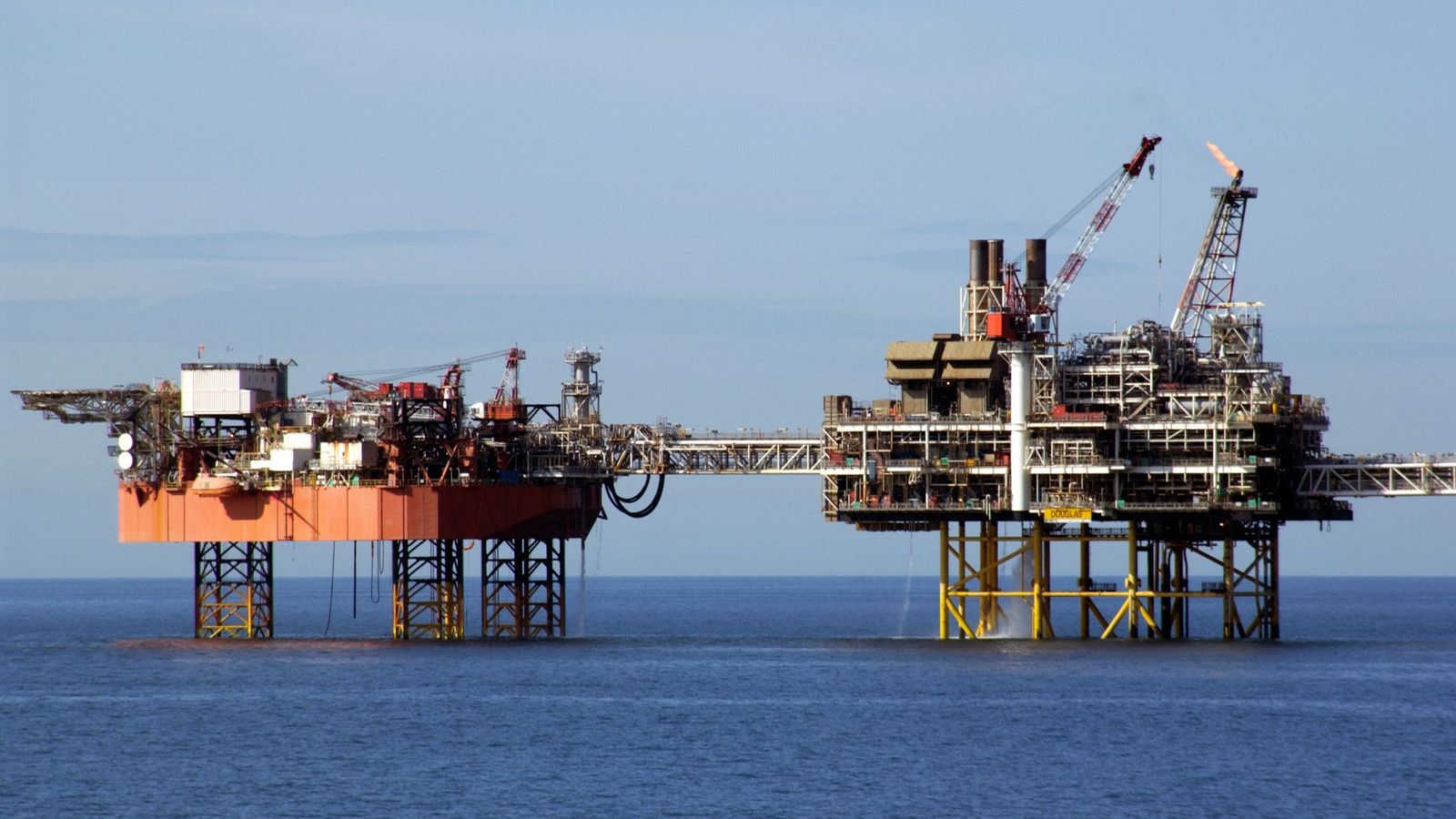
On 21 October 2026 the Department for Energy Security and Net Zero (DESNZ) announced that the Energy Secretary had agreed the regulator, the North Sea Transition Authority (NSTA), could consent gas production at Jackdaw, an already licensed field off north-east Scotland operated by Adura. The NSTA granted consent the same day. DESNZ says Jackdaw will raise domestic gas production by around 6% at its peak over a life of up to 11 years, and could supply gas from the end of October. It says the decision fits the government's pledge to issue no new licences to explore new fields. The Chancellor announced an Energy Wealth Fund alongside it, starting with £2 billion, to invest North Sea tax revenue in renewable and low carbon energy.
Jackdaw was first consented in 2022. In June 2024 the Supreme Court ruled in the Finch case that emissions from burning extracted fuel must be assessed, and in January 2025 the Court of Session held the Jackdaw consent unlawful because they had not been. This is the fresh decision.
Attention has moved to Rosebank, the UK's largest untapped oil field, north-west of Shetland. As Paris Gourtsoyannis reported for BBC News, Scottish Labour leader Michael Marra is urging approval for jobs and investment, while environmentalists say the Jackdaw decision makes "no meaningful difference" to energy security and want Rosebank rejected. As Kiran Stacey reported for the Guardian, government insiders say Rosebank could be approved within the UK's emission targets, partly because emissions from exported oil count in other countries' inventories; the paper reported that the Energy Secretary had been leaning towards rejection while the Chancellor favours approval. James Murray's analysis for BusinessGreen argues Rosebank has a much higher legal bar to clear. Rosebank has not been decided. Its gov.uk page still says "Under Review", and DESNZ says any decision will go through the quasi-judicial process.
Co to znamená pro vaši firmu
Supply, not price. DESNZ's own figures put UK gas supply at 42% from the UK continental shelf, 37% from Norway, 20% LNG and 1% interconnectors (2021 to 2025 average). The decision document says the UK will remain a net importer through Jackdaw's life and that Jackdaw "will not materially affect energy prices or consumer bills as the UK is a price-taker". What you pay for gas still depends on wholesale markets and your contract.
Your gas factor does not move. The gas you burn on site is Scope 1 at 0.18231 kg CO2e per kWh on the 2026 government factors, or 0.21252 with well-to-tank emissions added. That factor is fixed for the year, and the decision document notes that combustion emissions are broadly similar whichever field the gas comes from.
Your Scope 1 is the producer's Scope 3. The assessment counted Jackdaw's production emissions (Scope 1, 808,935 tonnes CO2e) and the emissions from burning its gas, natural gas liquids and condensate (Scope 3 category 11, "use of sold products"): 30.5 million tonnes from combustion alone, 35.8 million with processing and transport, 36.6 million in all. Production is only about 2% of the total. The developer worked the combustion figure out by multiplying forecast volumes by the same published UK government conversion factors your business uses. It used the high production case, assumed every barrel would be burned, and treated all of it as extra emissions rather than assume it replaces imports. The Energy Secretary gave those emissions "moderate adverse weight" and still agreed consent. The same tonne appears in your footprint and in the producer's Scope 3. Under the GHG Protocol that overlap is expected, which is why scopes are never added up across companies; our guide to the Scope 3 categories explains how they fit together.
Co dělat nyní
- Keep reporting gas the same way. kWh from your bills times the 2026 factor. Nothing changes this year.
- Decide on well-to-tank. If customers or tenders ask for fuller figures, add the upstream emissions of your gas as Scope 3 category 3. Our guide to well-to-tank emissions explains it.
- Watch for three things: the Rosebank decision and whether it is challenged; how the Energy Wealth Fund invests; and any change to future factors, which DESNZ publishes each year.