Mi történt
Storm Austen, the first named storm of the season, crossed southern England and Wales on Thursday 23 October. As BBC News reported, it brought gusts of up to 84mph in Jersey, more than 10,000 homes were still without power during the day, and the National Grid said engineers had restored power to more than 60,000 properties since the storm began. Fallen trees blocked roads and railway lines, and some ferries and flights were cancelled.
A second storm follows straight after. The Met Office has issued an amber wind warning for Storm Boelo, valid from 21:00 on Saturday 24 October to 21:00 on Sunday 25 October, covering much of Scotland, northern England and the north of Northern Ireland, with yellow warnings around it. It says there is a good chance of power cuts, with the potential to affect other services such as mobile phone coverage, and that flying debris is likely.
On 22 October 2026 the Cabinet Office launched Be Ready, a three-year campaign asking households to be able to manage for three days if power, water, phones or the internet are disrupted. The government said storms last winter and this summer's wildfires showed how severe weather can disrupt everyday services. Security Minister Dan Jarvis said people can "reduce pressure on emergency services" by taking simple steps. More than 500 organisations, from charities to businesses, have signed up to share its messages. Speaking to the BBC, Prime Minister Andy Burnham said it was "not about panic buying".
Mit jelent ez az Ön vállalkozására nézve
Nothing changes in what you have to report. The campaign is advice, not a rule, and the storms don't change any factor or deadline. But disruption shows up in the figures you do report, and in the questions buyers ask.
Report the energy you actually used. A day without power or a site closed for safety lowers your kWh. For an office using 120 kWhof electricity on a working day, a day's power cut takes out about 16 kg CO2e of Scope 2 on the 2026 factor. That is not a saving to claim: if the gap shows in your year-on-year comparison, say why in your report's narrative.
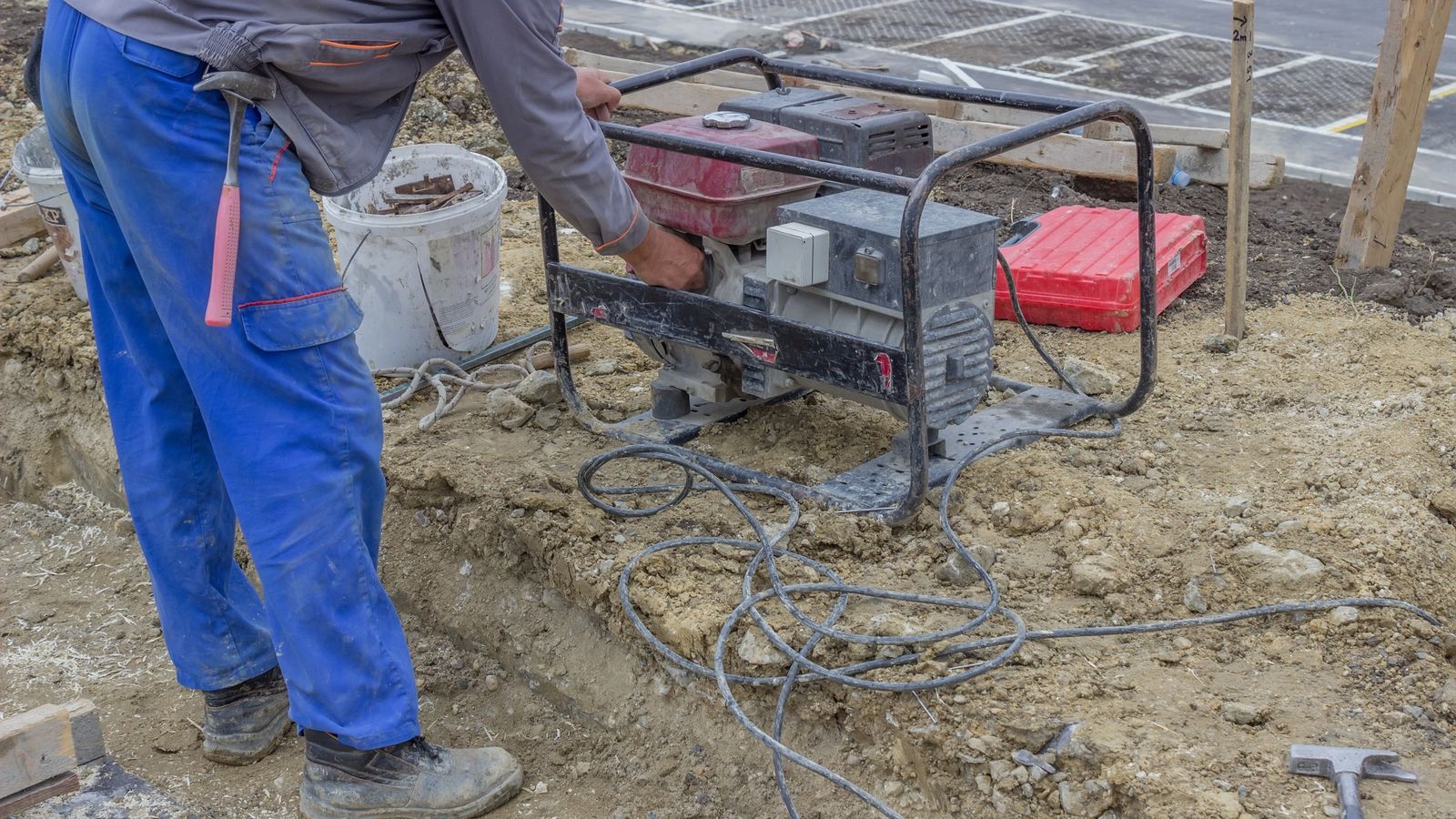
Generator fuel is Scope 1. If a backup generator keeps you running, the fuel it burns is a direct emission from equipment you control. Record the litres and the fuel type for the site, for example from the delivery note or a dipstick reading before and after. A generator burning 5 litres an hour for 12 hours uses 60 litres: at 2.58354 kg CO2e per litre of diesel that is 155 kg, or 0.16 tonnes CO2e.
Severe weather is now a tender question. Many buyers ask how you would keep supplying through floods, storms or heat. A short record of what a storm actually did to you (hours lost, sites affected, what you did) makes that answer easy to write and true. Our climate risk assessment guide shows how to set it out, and checking flood risk for your premises covers the official flood maps.
Mit tegyen most
- Check the warning for each of your sites on the Met Office site, and sign up for its email alerts if you have staff on the road or outdoors.
- Take meter readings before and after if you can, so a gap in a month's bill is explained.
- Keep generator fuel records: litres, fuel type and site, each time you refill.
- Note the disruption: the date, the sites, the hours lost and what you did. It is the start of your climate risk record.